
Alright, let’s clear this up properly—because this question trips people up more than it should.
You’re not actually asking “which is better.”
You’re asking:
“Why does one feel better sometimes—and wrong other times?”
And yeah… that confusion is real.
I’ve seen people switch formats thinking they made a mistake. They didn’t. They just picked the wrong tool for the job.
The Biggest Mistake People Make
They treat printed books and ebooks like they’re interchangeable.
They’re not.
That’s like asking if a notebook is better than a phone. Depends what you’re doing.
Once you understand this, the whole debate disappears.
When Printed Books Win (No Contest)



1. Deep reading and focus
There’s a reason serious readers still default to print.
Printed books don’t:
- buzz
- notify
- tempt you with tabs
Your brain treats it as a single-task environment.
Key thing: Your attention stays locked longer.
That matters when you’re reading:
- novels
- philosophy
- anything dense
I’ve watched people switch to ebooks and suddenly “lose interest in reading.”
They didn’t lose interest. They lost focus.
2. Memory and comprehension
This one surprises people.
You remember physical books better because:
- You recall where something was on the page
- Your brain maps progress physically (left page, near the bottom, etc.)
It’s called spatial memory. And ebooks flatten that.
One thing you shouldn’t ignore: Print gives your brain physical anchors.
3. Annotation that actually sticks
Yes, ebooks let you highlight.
But it’s not the same as:
- scribbling in margins
- underlining aggressively
- flipping back instantly
That friction? It helps retention.
4. Eye comfort (especially long sessions)
No backlight. No flicker.
Even with e-ink devices, after a few hours:
- your eyes feel it
- your posture shifts differently
Printed books win for long, uninterrupted reading. Period.
When Ebooks Are Simply Better
Now flip it.
There are situations where ebooks absolutely dominate.
1. Convenience (this is the obvious one)
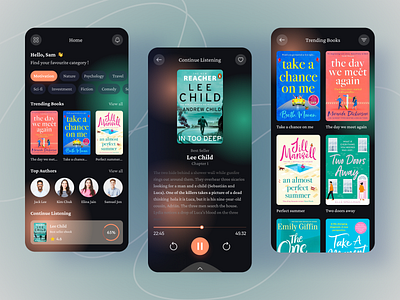
Carry 500 books in your pocket.
But here’s the real advantage people overlook:
Instant access changes behavior.
- You read more because it’s always there
- You don’t “wait” to start a book
That alone can double someone’s reading habit.
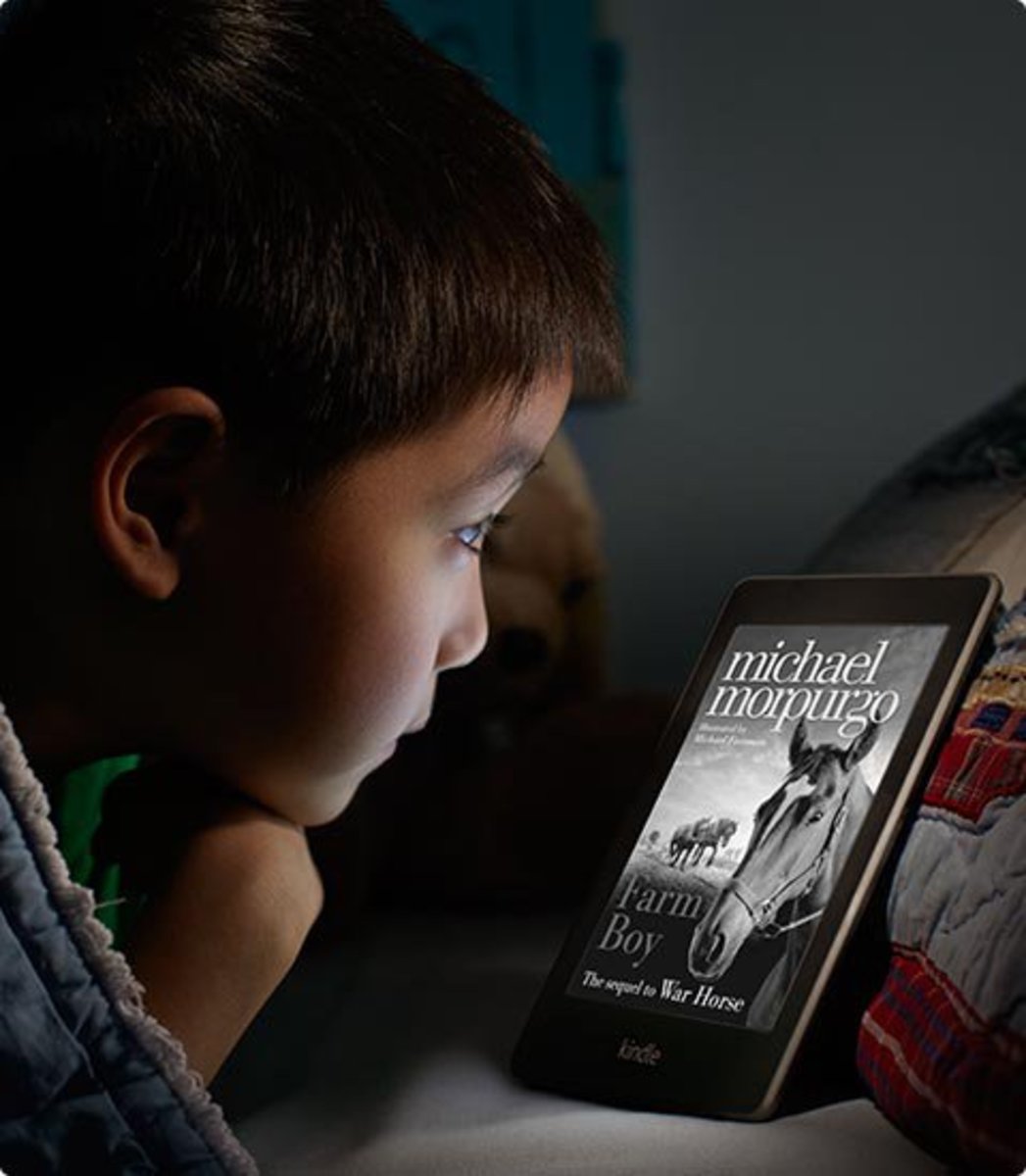
2. Night reading
Dark room. No lamp. No disturbance.
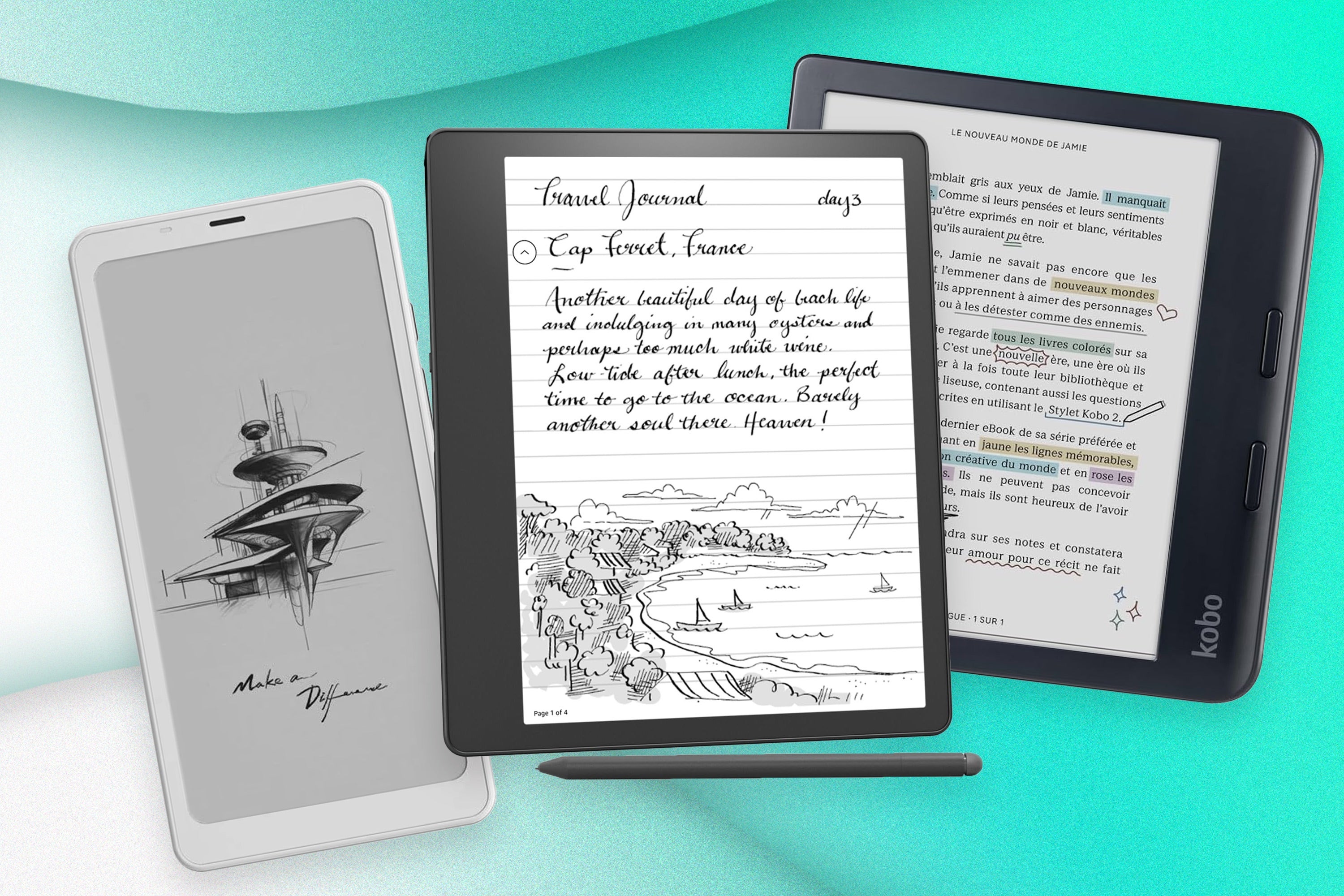
Devices like Amazon Kindle use e-ink with front light—not harsh backlight.
Important detail: You can read without lighting up the whole room.
That matters more than people admit.
3. Search and speed
Try finding a quote in a 400-page printed book.
Now compare that to:
- typing a word
- jumping instantly
Game over.
Ebooks are tools when you’re:
- studying
- referencing
- researching
4. Cost and access
- cheaper (often significantly)
- free classics everywhere
- instant downloads globally
Especially outside big markets—ebooks remove barriers.
The Real Answer (That Nobody Likes)
They’re not better or worse.
They’re optimized for different mental states.
Here’s the cleanest way I explain it:
| Situation | Use This |
|---|---|
| Deep reading, focus, learning | Printed book |
| Casual reading, travel, convenience | Ebook |
| Studying / searching content | Ebook |
| Long immersive sessions | Printed book |
| Reading in bed / night | Ebook |
The Hidden Factor Most People Miss
This is the part I wish everyone understood earlier.
Your environment decides the winner.
Not the format.
Same person:
- On a couch, no phone → print feels amazing
- On a commute, phone in hand → ebook wins
So when people say:
“I prefer physical books”
What they really mean is:
“I prefer the environment where I use physical books.”
Big difference.
Why You Might Feel “Something Is Off” With Ebooks
I’ve seen this exact frustration:
- “I can’t get into ebooks”
- “I lose focus”
- “I don’t remember anything”
Usually one of these is happening:
- Reading on a phone, not an e-ink device
- Notifications breaking attention
- Switching apps constantly
- No dedicated reading time
The fix: Treat ebooks like a book, not like an app.
- airplane mode
- full screen
- no multitasking
Do that, and suddenly ebooks feel… normal again.
The Weird Edge Case (Seen This Too Many Times)
Some people actually read more but remember less with ebooks.
Why?
Because speed increases:
- faster page turns
- less friction
- more skimming
Feels productive. But retention drops.
If that’s you: slow down intentionally. Or switch to print for important material.
If You Forced Me to Pick One
I wouldn’t.
But if the question is:
“Which is better for serious reading?”
Printed books win.
“Which is better for real life?”
Ebooks win.
What I Tell People I Train
Don’t choose.
Build a system:
- Print for:
- novels you care about
- books you want to remember
- Ebook for:
- everything else
- especially volume reading
That’s how experienced readers actually operate.
You’re not choosing a side here.
You’re choosing the right tool for the moment.
Once that clicks, the confusion disappears.