
You grab a “chapter book,” hand it to a kid, and suddenly:
- They stall out after 2 pages
- Start guessing words
- Or worse… say “reading is boring”
That’s not a motivation problem.
That’s a wrong book problem.
I’ve seen this hundreds of times. The fix is simple once you know what to look for.
The #1 Reason Kids Struggle With Chapter Books
It’s not intelligence. Not attention span.
It’s too big of a jump from early readers to full novels.
Most adults accidentally skip the middle step:
- Picture books → (skip) → Chapter books
But there’s a bridge called “early chapter books”.
Miss that, and everything feels hard.
What these books do differently:
- Short chapters (3–8 pages)
- Simple vocabulary (but not babyish)
- Lots of illustrations (but not every page)
- Repetition of familiar words
That’s the sweet spot.
The Books I Keep Recommending (Because They Actually Work)
1. Magic Tree House by Mary Pope Osborne
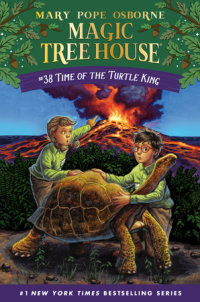


If I had to pick one starting point… this is it.
Why it works:
- Simple sentence structure
- Built-in curiosity (time travel, dinosaurs, pirates)
- Predictable rhythm (kids feel smart quickly)
Watch for this moment:
Kid says, “Just one more chapter.”
That’s when you know it clicked.
2. Junie B. Jones by Barbara Park

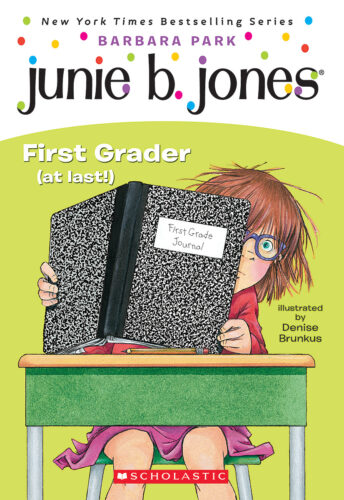
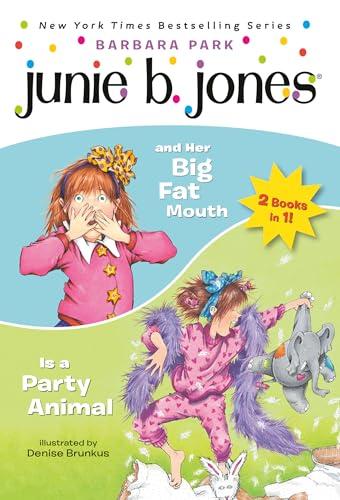
Some parents hesitate here. Grammar isn’t perfect.
Good. That’s the point.
Why kids love it:
- Sounds like how they think
- Funny, a little chaotic
- Easy to follow emotionally
If a child struggles with “proper reading voice,” this loosens them up fast.
3. Nate the Great by Marjorie Weinman Sharmat
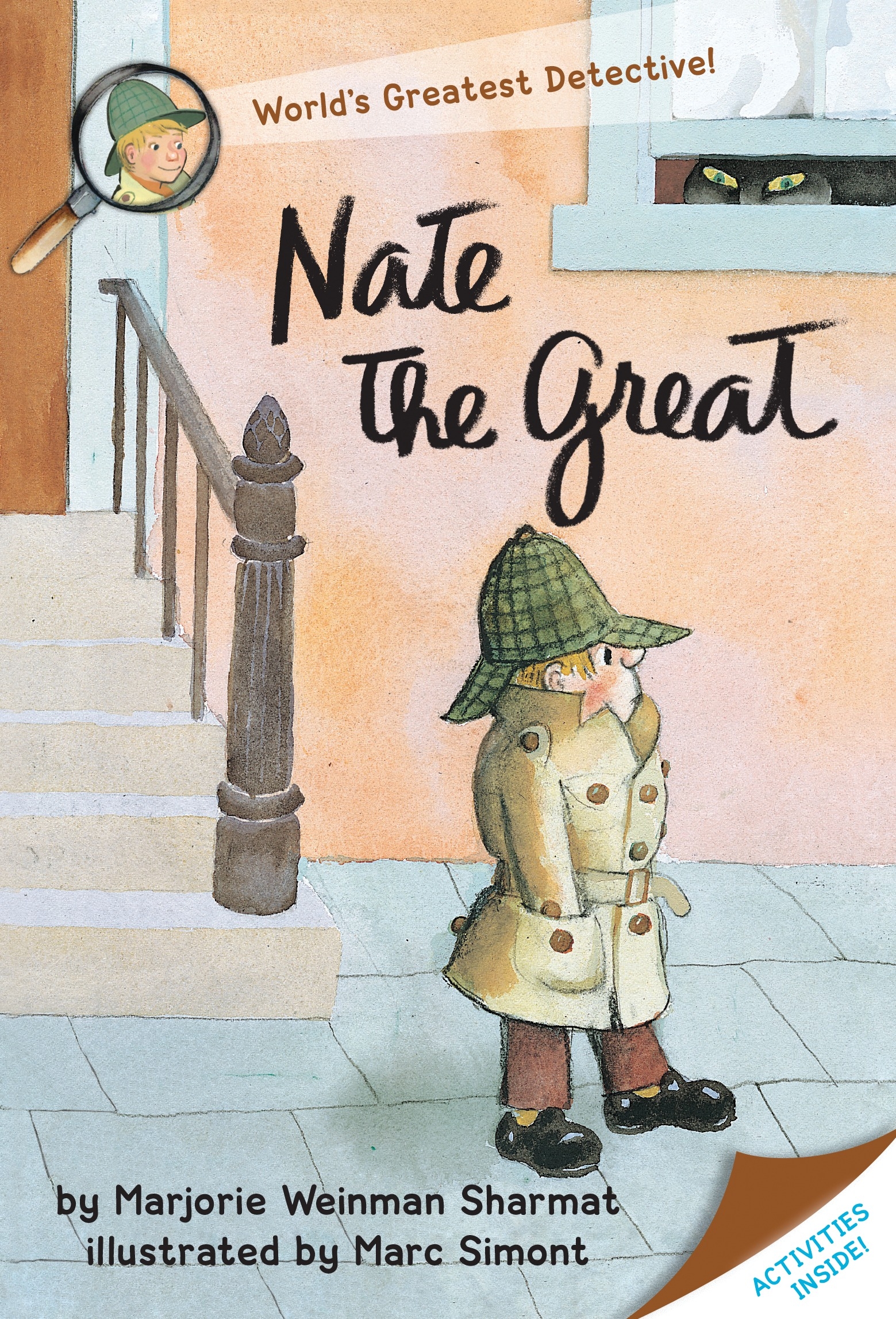

This one’s sneaky good.
Why it works:
- Short sentences
- Repetition of key words
- Mystery format = purpose for reading
Kids aren’t just reading… they’re solving something.
That changes everything.
4. Mercy Watson by Kate DiCamillo


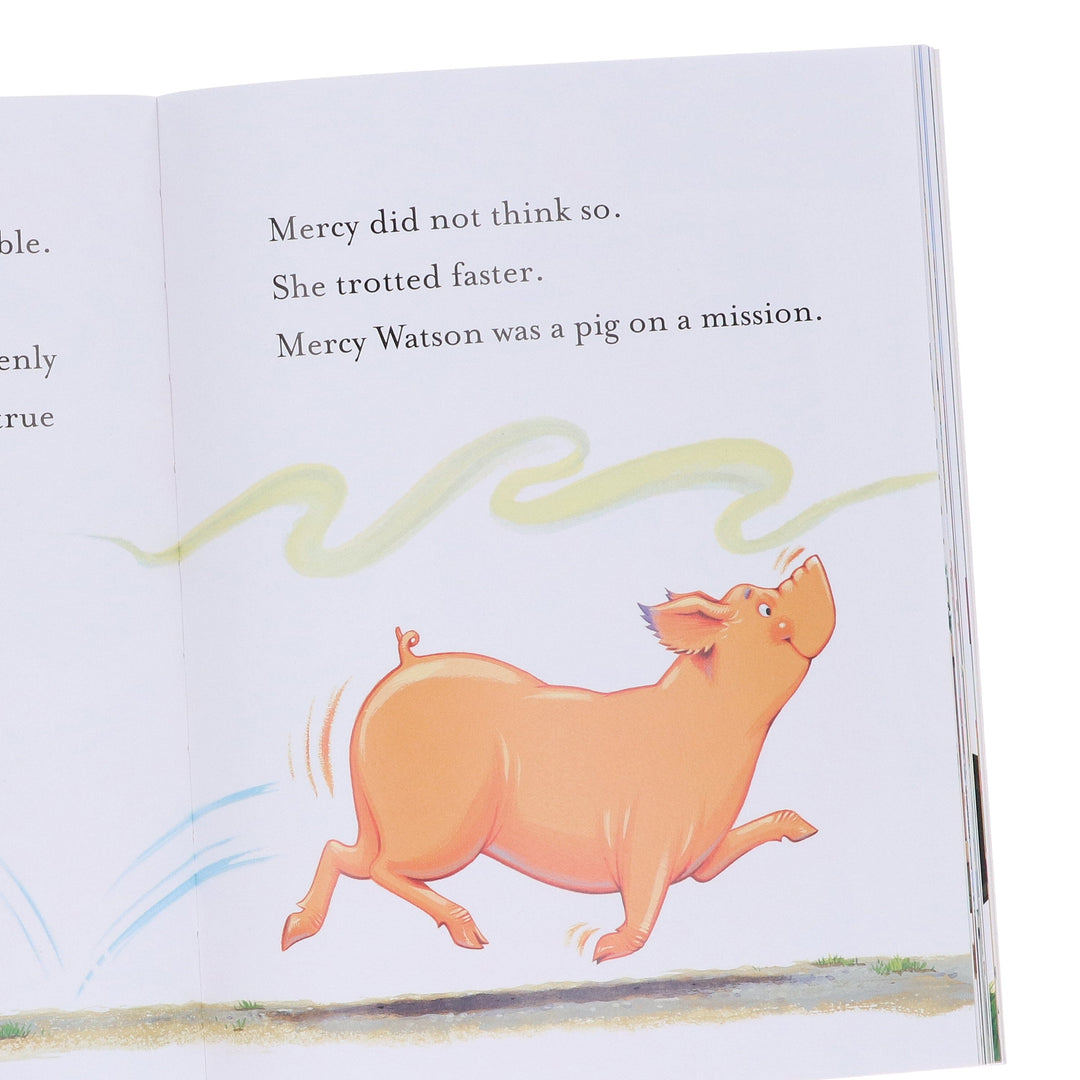
Perfect for kids who still rely on pictures.
Why it works:
- Rich illustrations support the text
- Repetitive phrases (“toast, toast, toast”)
- Slightly higher vocabulary — but supported visually
This is a confidence builder disguised as a challenge.
5. The Princess in Black by Shannon Hale & Dean Hale


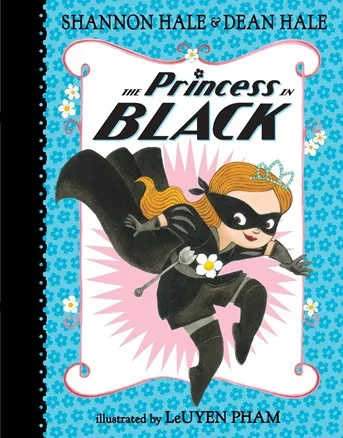
Don’t let the title fool you. Boys love this too.
Why it works:
- Action + humor
- Clear good vs bad structure
- Slightly longer chapters, but still manageable
Good “next step” after easier books.
6. Dog Man by Dav Pilkey
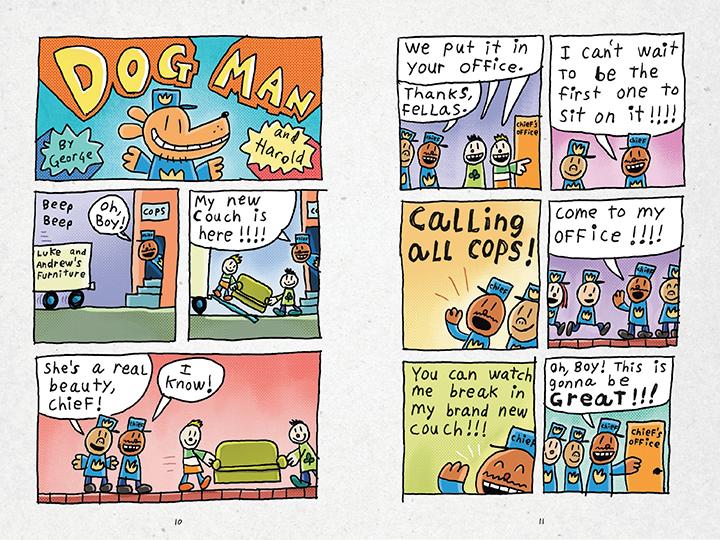


This is where people argue: “It’s not a real chapter book.”
Ignore that.
If a kid won’t read anything else, this works.
Why it works:
- Visual storytelling lowers pressure
- Humor keeps engagement high
- Builds reading stamina without frustration
Reading is reading. Momentum matters more than format.
Quick Reality Check — Pick Based on THIS (Not Age)
Forget age labels on covers. They’re often wrong.
Use this instead:
| If the child… | Start with |
|---|---|
| Still sounds out many words | Nate the Great |
| Gets bored easily | Dog Man |
| Loves stories but struggles reading | Mercy Watson |
| Reads okay but lacks confidence | Magic Tree House |
| Wants funny, relatable stories | Junie B. Jones |
This saves you months of trial and error.
The Simple Trick Most People Miss
Here’s the one thing that changes everything:
Read the first chapter together.
Not optional.
Why?
- You model pacing
- You handle tricky words
- You remove the “cold start” fear
After that, most kids continue on their own.
Skip this… and they stall.
Every time.
When a “Good Book” Still Fails
Happens more than people admit.
If a kid rejects a book:
- It’s not the right level
- Or not the right interest
- Or wrong timing
Not a failure. Just a mismatch.
Switch fast. Don’t force it.
Still Stuck? Use This Shortcut
Walk into any bookstore or library and do this:
- Open the book to a random page
- Ask the child to read
If they:
- Struggle with more than 5 words per page → too hard
- Read smoothly but bored → too easy
- Smile or react → that’s your book
Simple filter. Works every time.
The One Thing I Wish Everyone Knew
You’re not trying to find the “best book.”
You’re trying to find the first book that makes them want another one.
That’s it.
Once that switch flips…
You won’t need lists like this again.