
Let me start with the mistake I see constantly.
A new author hears “offset printing is cheaper per book,” so they start calling printers. Quotes come back… and suddenly they’re staring at a minimum order of 1,000–2,000 copies.
Panic sets in.
Boxes of books. Shipping costs. Storage. Cash tied up.
Yeah. I’ve watched that movie many times.
Here’s the reality:
Offset printing only makes sense when you’re printing large quantities. Usually 1,000+ copies, sometimes 2,000+ depending on the printer.
If you’re printing 100 or 200 books?
Digital printing or print-on-demand will almost always make more sense.
But if you’re serious about a proper print run — bookstores, events, distribution — then offset printers are absolutely the right move.
And Australia actually has some very solid ones.
Let’s talk about the ones I’ve seen self-publishers use successfully.
The Offset Printers in Australia That Actually Work for Self-Publishers
These aren’t random listings. These are printers that authors and small publishers have actually used for book runs.
Griffin Press
Griffin Press



4
If someone asked me for the most respected book printer in Australia, this name comes up quickly.
They’ve been printing books for major publishers for decades.
Why authors use them:
- Excellent hardcover and softcover quality
- Strong binding durability
- They understand trade publishing standards
Things to know:
- Minimum print runs are usually 1,000+ copies
- Pricing isn’t bargain-basement
- Best suited for serious publishing projects
A lot of Australian publishers — not just self-publishers — rely on them.
If your book needs bookstore-level production, this is one of the safest choices.
SOS Print + Media
SOS Print + Media


4
This one surprises people.
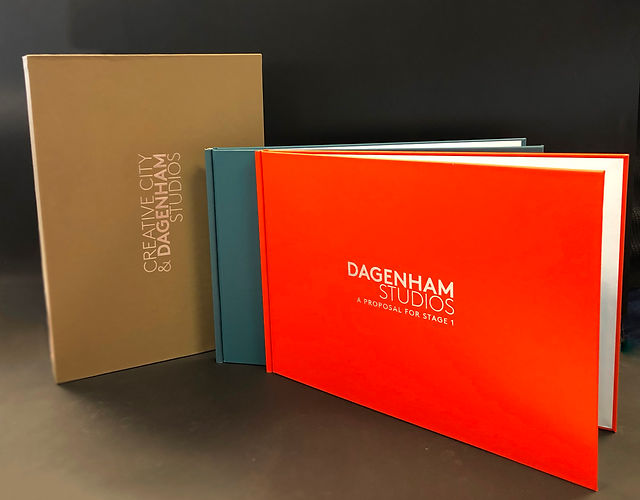
They’re not only a printer — they handle publishing logistics and distribution support too.
What makes them attractive to self-publishers:
- Offset and digital printing
- Warehousing and distribution
- Experience with independent authors
Typical services include:
- Paperback production
- Hardcover runs
- Special finishes (spot UV, embossing)
For authors who want printing plus some supply chain help, they’re worth talking to.
McPherson’s Printing Group
McPherson’s Printing Group


This company has been part of the Australian print industry for decades.
They handle large commercial print jobs — magazines, catalogs, and books.
Why some publishers choose them:
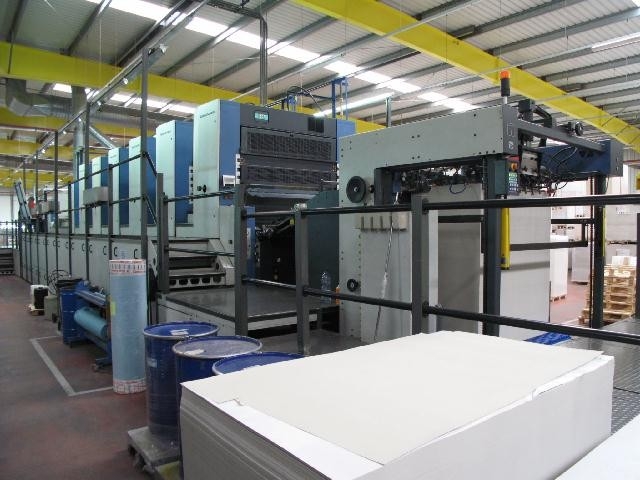
- Strong offset press capabilities
- Large production capacity
- Competitive pricing for big runs
If you’re printing several thousand copies, they can be very cost-effective.
Small runs? Not their focus.
Bambra Press
Bambra Press

4
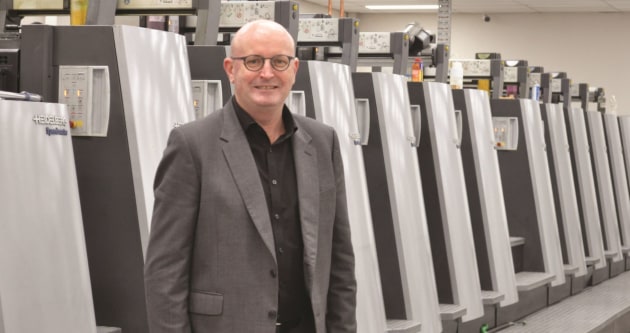
Bambra tends to work with:
- Independent publishers
- Educational publishers
- Short-to-mid offset runs
They’re known for:
- Reliable paperback production
- Good customer support
- Flexible print quantities compared with larger printers
If someone is printing 1,000–3,000 copies, Bambra is often in the conversation.
The #1 Thing Authors Forget Before Calling a Printer
This is the part nobody warns you about.
You contact the printer.
They ask for files.
And suddenly you realize your book isn’t actually ready for offset printing.
Printers need very specific production files.
Here’s what they expect.
| Requirement | What It Means |
|---|---|
| Print-ready PDF | Interior pages formatted properly |
| Correct trim size | 5×8, 6×9, A5, etc |
| Bleed settings | Usually 3–5 mm |
| CMYK color mode | RGB files will print wrong |
| Spine width | Calculated from page count & paper |
Miss one of these and things get messy.
Wrong spine?
The title prints crooked.
Wrong bleed?
Images get chopped.
I’ve seen entire 2,000-copy print runs ruined by this.
The Simple Trick That Saves Thousands of Dollars
Here’s something experienced publishers always do.
Ask for a printed proof before the full run.
Not a PDF proof.
A physical proof copy.
Because screens lie.
Colors look different. Margins shift. Paper thickness affects spine width.
One proof copy can prevent a $10,000 mistake.
When Offset Printing Actually Becomes Cheaper
Authors hear this all the time but never see the math.
So here’s the rough reality.
| Quantity | Printing Method | Cost Per Book |
|---|---|---|
| 50–200 | Print-on-Demand | High |
| 200–800 | Digital Printing | Medium |
| 1,000+ | Offset Printing | Low |
Offset has expensive setup.
Plates. Calibration. Press setup.
Once running though? The cost per book drops dramatically.
That’s why publishers print thousands at a time.
The Hidden Costs Nobody Mentions
Printing quotes often look reasonable… until the extras appear.
Watch these carefully.
Common surprise costs:
- Freight shipping
- Pallet handling
- Warehousing
- Proof copies
- Paper upgrades
Shipping alone inside Australia can be significant for large print runs.
Books are heavy.
Very heavy.
A Weird Edge Case I’ve Seen More Than Once
An author prints 3,000 books.
Then realizes their ISBN barcode is wrong.
Or the price on the back cover changed.
Now the entire print run is outdated.
There are only three options:
- Put stickers over the barcode
- Reprint dust jackets
- Live with the mistake
None feel good.
Always triple-check:
- ISBN
- barcode
- price
- publisher name
before the plates are made.
A Quiet Trick Many Australian Publishers Use
Some Australian publishers actually print in Asia.
Places like Singapore or China often handle offset book printing at lower cost.
Even after shipping.
Printers like:
- C&C Offset Printing
- Leo Paper Group
This works best when printing 5,000+ copies.
For smaller runs, Australian printers are usually easier.
If I Were Advising a New Self-Publisher Today
I’d ask one question first.
How many copies are you printing?
Then the advice becomes obvious.
If you’re printing:
- Under 500 copies → digital printing or POD
- 1,000–3,000 copies → talk to Bambra or SOS
- 5,000+ copies → Griffin Press or overseas printers
Offset printing is powerful. But only when used at the right scale.
The One Thing I Wish Every Self-Publisher Knew
Printing books is the easy part.
Selling them is the hard part.
Warehouses across the world are filled with unsold books printed too early.
So before committing to an offset run, ask yourself honestly:
Do you have a real distribution plan?
Bookstores. Events. Online sales. Speaking gigs.
Because the best printed book in the world still needs readers.
Once that part is clear?
Offset printing becomes a fantastic tool.