
Most people hit this wall the same way.
They finish their book. Maybe it’s a journal, a workbook, a planner, or a full nonfiction manuscript. They upload it somewhere like print-on-demand and then realize the unit cost is painfully high. Suddenly someone says:
“You should print offset instead.”
Sounds simple. It isn’t.
Offset printing only makes sense when you print hundreds or thousands of copies at once. If you only need 50–100 books, offset will actually cost more than print-on-demand.
This is the first thing I always explain to new self-publishers.
Offset printing is a volume game. The press setup is expensive, but once it runs, the per-book cost drops dramatically.
Typical breakpoints I see in real projects:
| Quantity | Best Printing Method |
|---|---|
| 1–300 copies | Print-on-Demand |
| 500–1000 copies | Either POD or Offset |
| 1000+ copies | Offset becomes much cheaper |
Someone printing 2,000 journals with offset might pay $2–3 per unit.
The same book on POD might cost $6–9 per unit.
That’s the reason offset exists.
Now let’s talk about the printers that actually handle this well in Canada.
The Offset Printers in Canada That Self-Publishers Actually Use
These are printers I’ve either worked with directly or seen used repeatedly by independent authors, small publishers, and educational presses.
Not marketing lists. Real industry names.
Friesens — The Gold Standard for Book Printing
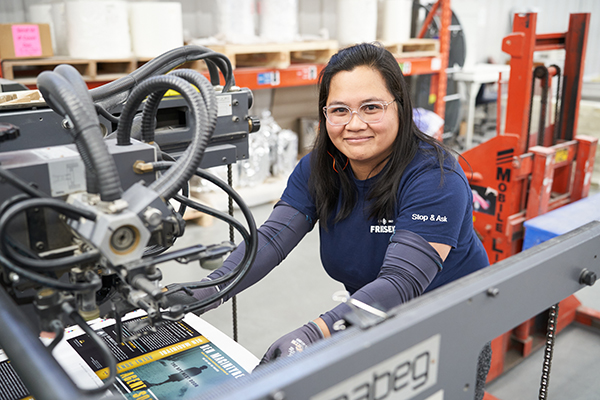
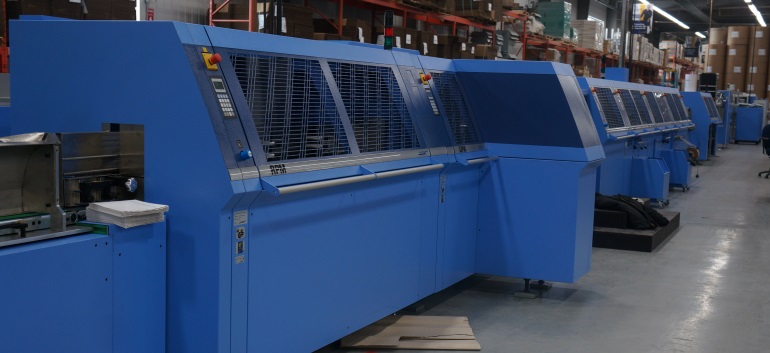
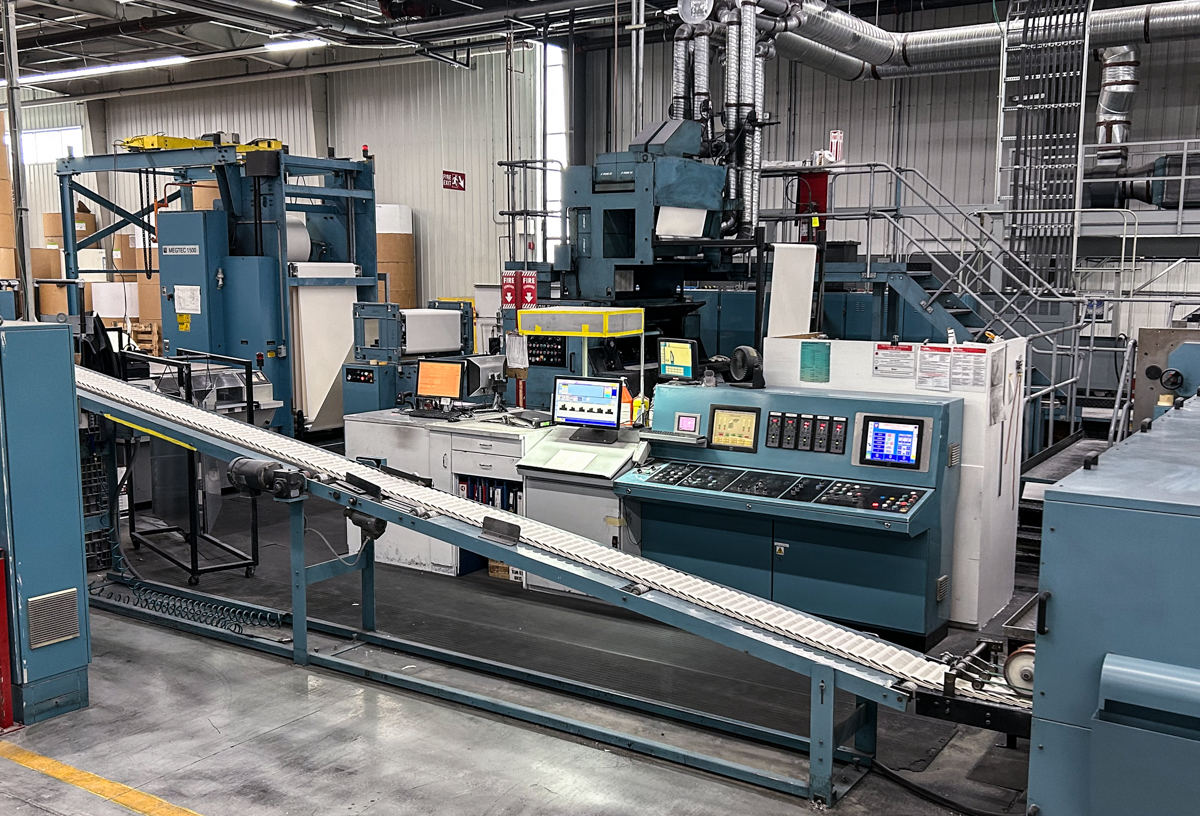
If someone tells me they want premium book quality in Canada, I mention Friesens first.
They’ve been printing books for over a century and specialize in hardcover and illustrated books.
What makes them different?
They’re obsessive about book manufacturing.
Paper grain direction. Smyth-sewn binding. Dust jackets. Case binding. All the details that cheaper printers ignore.
Good fit for:
- Hardcover books
- Photography books
- Cookbooks
- Children’s illustrated books
- Premium nonfiction
Typical offset runs:
- 500–5000 copies
One thing people miss: Friesens also offers publishing consultation. They’ll walk new authors through paper selection, trim sizes, and binding choices.
That alone saves many beginners from expensive mistakes.
Marquis Book Printing — Quietly Huge in North America


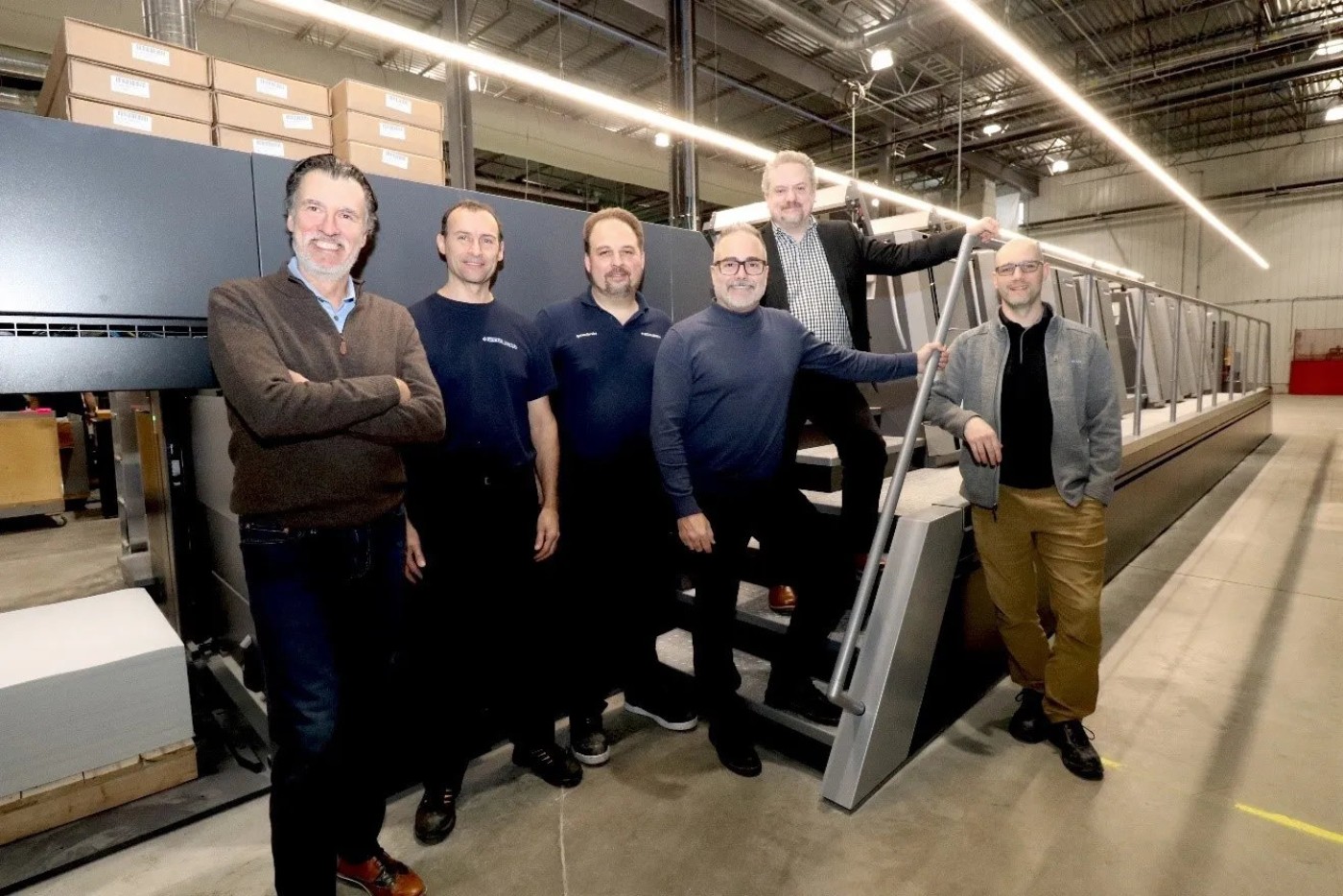
A lot of academic publishers use Marquis.
Libraries know them. Universities know them. Independent presses know them.
And for good reason.
They run massive offset operations and are extremely reliable with large print runs.
Where they shine:
- Academic books
- Trade paperbacks
- Large quantity educational titles
They also produce millions of books every year, which means their logistics are solid.
If distribution or warehouse shipping matters, they’re very organized.
Typical offset runs:
- 1000–20,000 copies
Not the cheapest. But very dependable.
Coach House Printing — Perfect for Smaller Offset Runs

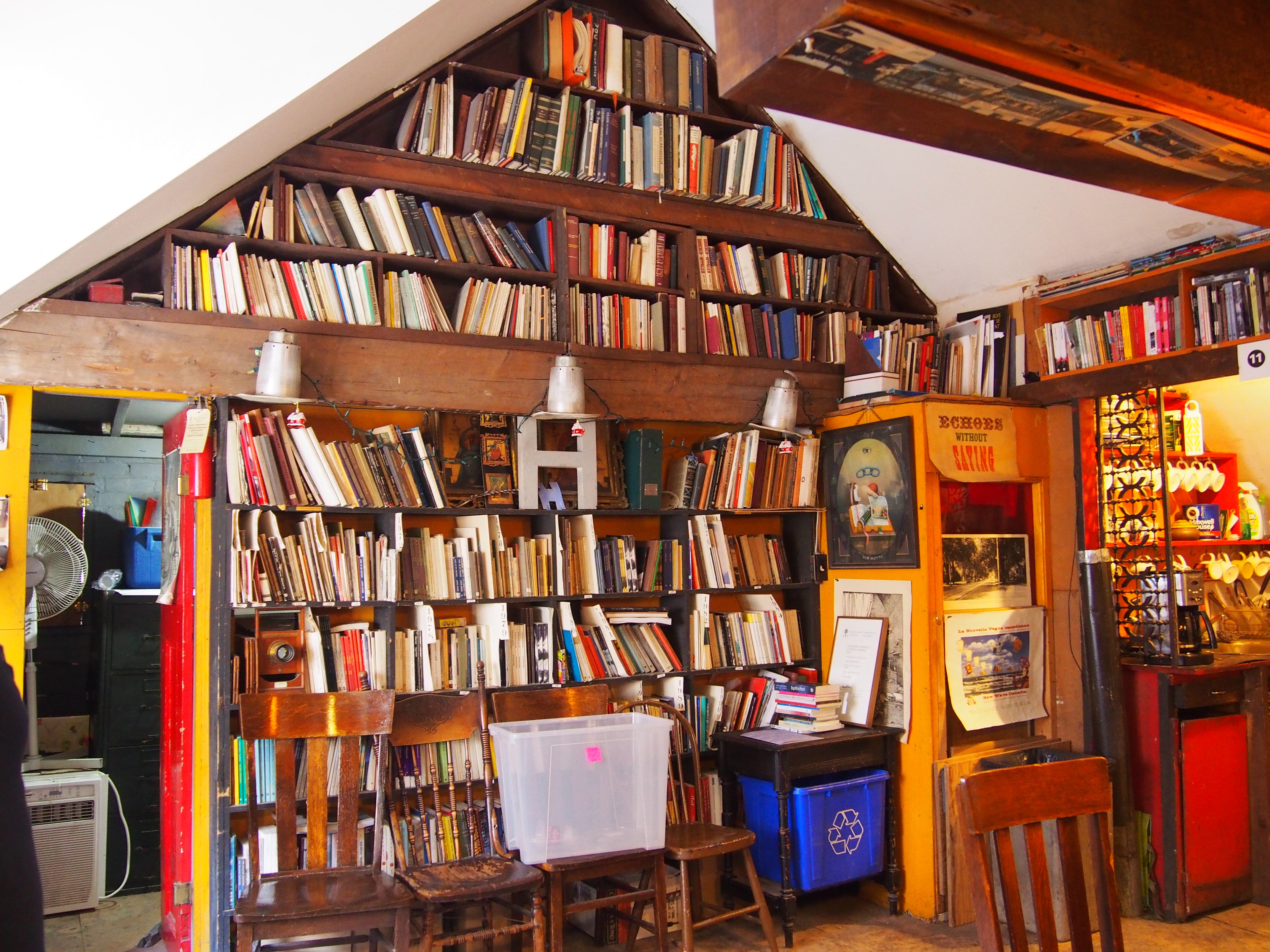

Coach House sits in a sweet spot.
They’re smaller than the industrial plants above, but their quality is excellent.
Independent publishers love them.
Especially literary presses.
Good fit for:
- Poetry books
- Art books
- Literary fiction
- Boutique print runs
What makes them attractive to self-publishers?
They’re more comfortable with runs around 300–1500 copies.
Large plants sometimes ignore jobs this size.
Coach House doesn’t.
Lowe-Martin — The Government-Grade Printer
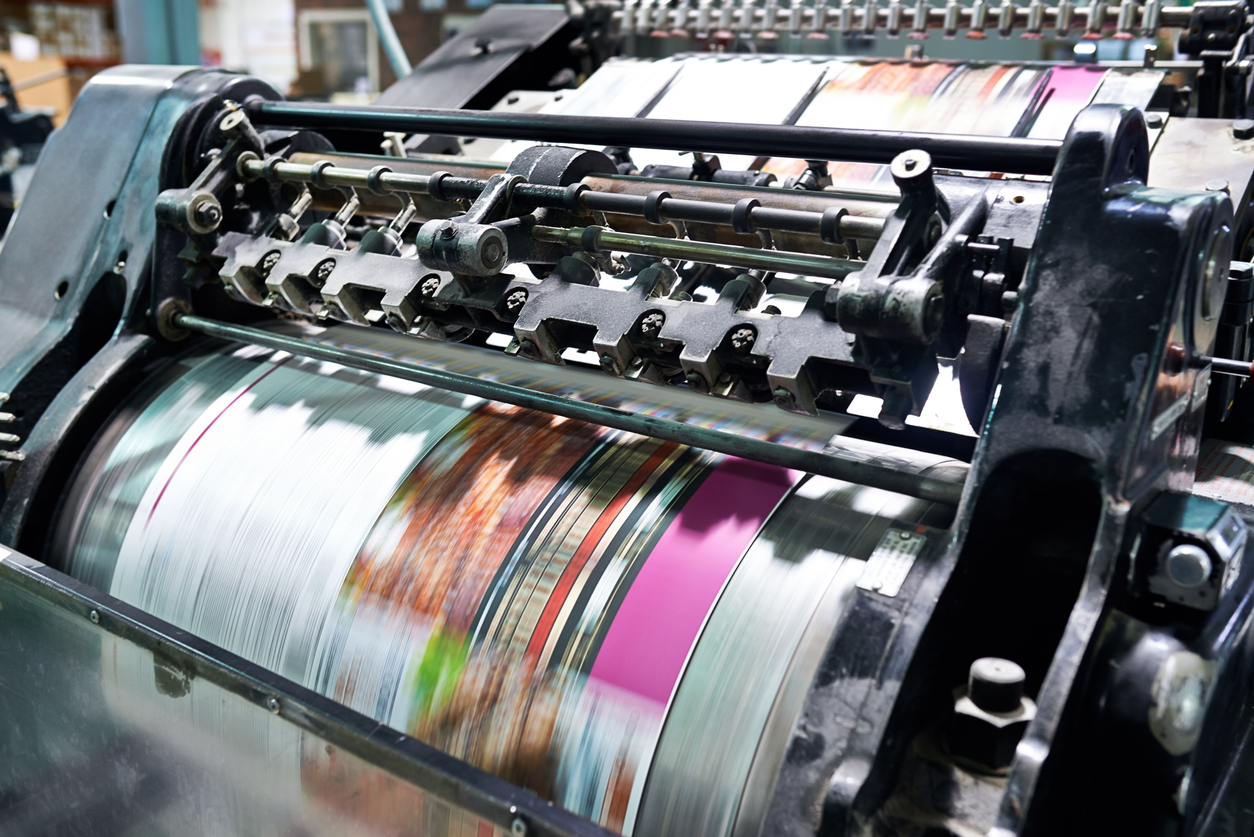

If reliability were a personality trait, it would look like Lowe-Martin.
They print for:
- Government agencies
- Institutions
- Educational organizations
Which means their systems are extremely structured.
What they’re good at:
- Large textbook runs
- Institutional publications
- Technical manuals
Their offset lines are built for large scale manufacturing.
Most indie authors only approach them when printing several thousand copies.
The Detail Most Self-Publishers Forget to Ask About
Here’s where beginners accidentally waste thousands of dollars.
They only ask for printing price.
That’s only half the cost.
You also need to ask about:
• Freight shipping
• Warehouse storage
• Pallet minimums
• Trim size restrictions
• Binding options
• Paper stock upgrades
Printing 2,000 books is one thing.
Storing 2,000 books is another problem entirely.
This is the moment when people realize their garage is about to become a warehouse.
The Paper and Binding Choices That Change Your Price Dramatically
Two books can look identical online but cost completely different amounts to print.
These factors drive the price:
| Factor | Why It Matters |
|---|---|
| Page Count | More pages = more paper + longer press time |
| Paper Weight | 70lb vs 80lb vs coated stock |
| Color vs Black | Color pages increase cost heavily |
| Binding | Perfect bound vs sewn vs hardcover |
| Trim Size | Non-standard sizes cost more |
Example from a recent project I handled:
A 240-page workbook.
We changed:
- paper from 80lb to 70lb
- trim size from 8.5×11 to 7×10
That single adjustment dropped printing cost by $1.40 per book.
Across 3,000 copies?
Over $4,000 saved.
Small decisions. Big money.
The Question That Determines Whether Offset Is Even Worth It
Before contacting any printer, answer this honestly:
How many books can you realistically sell or distribute?
Offset printing shines when:
- you sell through schools
- you supply events
- you have bulk buyers
- you sell direct from your website
If your plan is only Amazon sales?
Offset printing usually isn’t the right first step.
Print-on-demand exists for a reason.
Quick Shortlist (If You Just Want the Names)
Reliable offset book printers in Canada:
- Friesens – premium hardcover and illustrated books
- Marquis Book Printing – large trade and academic runs
- Coach House Printing – smaller boutique runs
- Lowe-Martin – institutional scale printing
Each serves a different scale of project.
Pick the one that matches your quantity and book type.
One Last Thing I Tell Every First-Time Self-Publisher
Everyone focuses on printing.
Almost nobody thinks about distribution.
Boxes of books don’t sell themselves.
Before committing to 1,000+ copies, know:
- where they will be stored
- how they will be shipped
- who will buy them
Solve that first.
Printing becomes easy after that.
If you want, I can also show you:
• The 5 cheapest book printers Canadian self-publishers secretly use
• Why many authors print in China instead of Canada
• The exact email template to get quotes from printers
Most people ask printers the wrong way and get terrible pricing. I can show you the trick.