
You grab a “popular” chapter book, hand it to a kid, and… nothing. They stall. Lose interest. Suddenly “reading time” turns into staring at the ceiling.
It’s not the kid.
It’s almost always the book mismatch.
I’ve watched this happen hundreds of times — classrooms, tutoring sessions, even my own family. Same pattern. Wrong level, wrong pacing, wrong hook.
Let’s fix that properly.
The #1 Reason Kids Reject Chapter Books (And How To Spot It Fast)
Here’s the blunt truth:
Most chapter books fail because they’re either too hard… or too boring.
Not “bad.” Just wrong for that specific child.
Quick reality check (do this in 30 seconds):
- Open any page in the middle
- Ask them to read out loud
- Watch closely
If you see:
- Struggling every 3–4 words → too hard
- Reading perfectly but zoning out → too boring
- Laughing, reacting, asking questions → that’s your book
That’s it. That’s the test most people skip.
The Big Split Most People Ignore: Early vs True Chapter Books
Not all chapter books are the same. This is where parents mess up.
Early Chapter Books (Ages ~6–8)


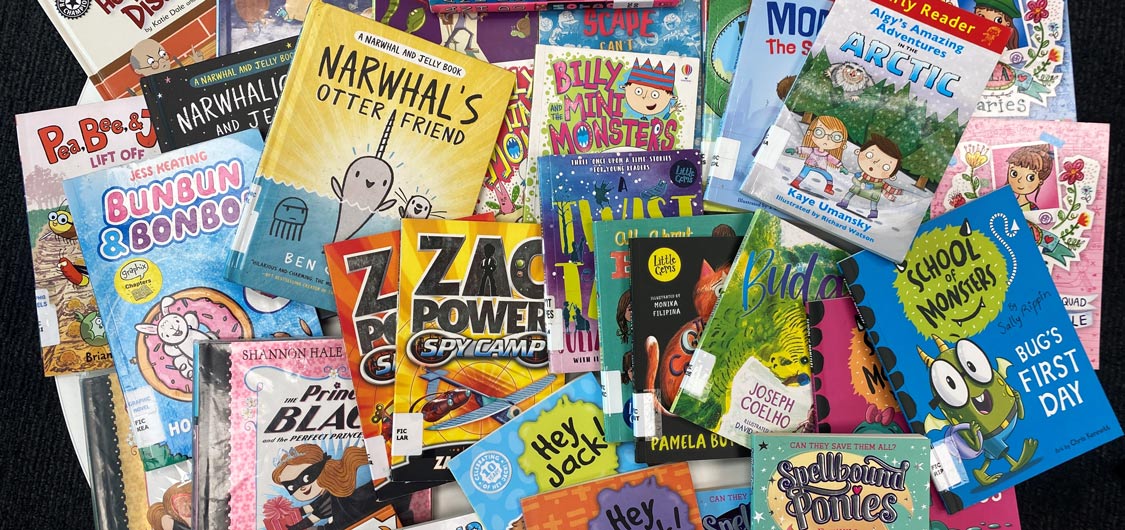
These are training wheels.
- Short chapters (2–5 pages)
- Lots of illustrations
- Simple vocabulary
- Fast-moving plots
Go-to examples:
- Magic Tree House
- Junie B. Jones
- Nate the Great
👉 If a kid is transitioning from picture books, this is where you stay. Don’t rush it.
True Chapter Books (Ages ~8–11)

Now we’re talking real reading.
- Fewer illustrations (or none)
- Longer chapters
- More complex ideas
- Emotional depth starts showing up
Strong picks:
- Diary of a Wimpy Kid
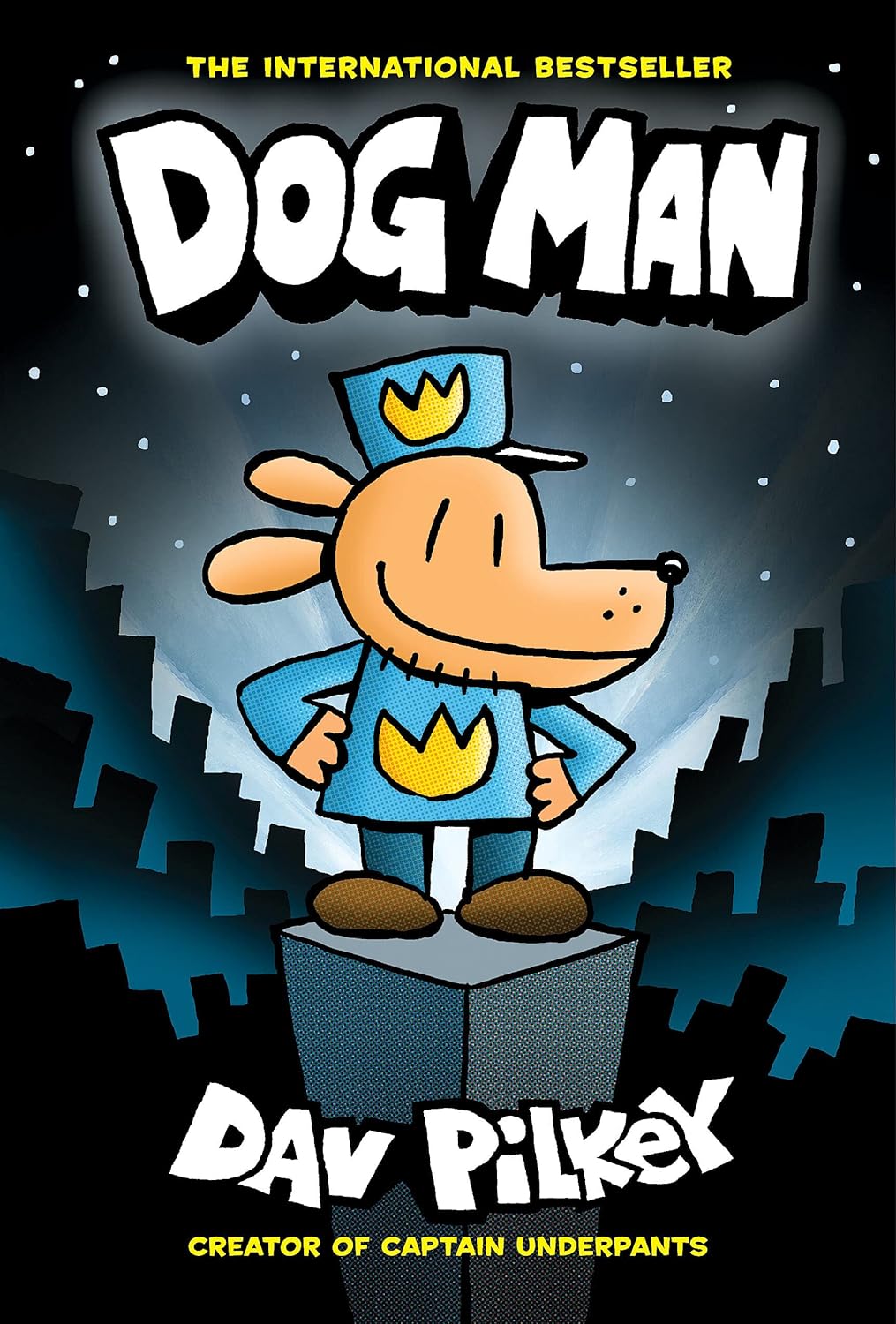
- Dog Man
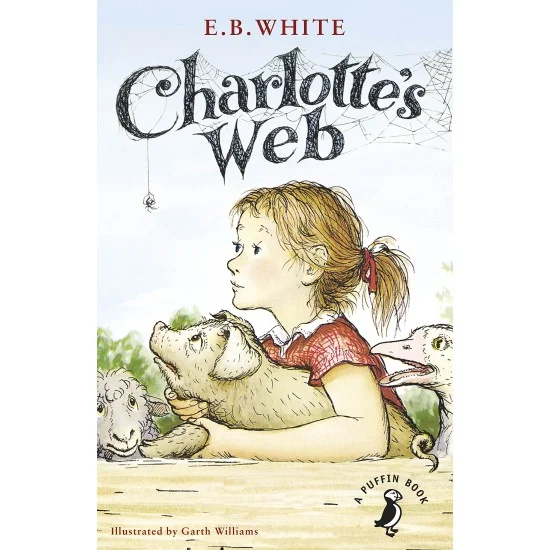
- Charlotte’s Web
👉 Jumping here too early? That’s where confidence crashes.
The Mistake That Kills Reading Motivation
I see this constantly:
Parent says, “They’re 8 now, they should read harder books.”
No.
Reading level is not age.
Two kids in the same class can be years apart in reading comfort.
Push too hard and you get:
- Fake reading (turning pages, not absorbing)
- Avoidance (“I hate reading”)
- Confidence drop
Instead, do this:
👉 Let them stay in “easy” books longer than you think
👉 Let them reread favorites (this builds fluency fast)
Feels slow. Works faster.
What Actually Hooks Kids (This Is the Part Everyone Misses)
It’s not about “good books.”
It’s about the right kind of fun.
Different kids latch onto different hooks:
If they like humor:
- Captain Underpants
- The Bad Guys
If they like adventure:
- Magic Tree House
- Geronimo Stilton
If they like animals:
- The One and Only Ivan
- Charlotte’s Web
If they like comics/visuals:
- Dog Man
- Amulet
👉 Start with what they already love outside books (cartoons, games, animals). Then match the book.
That’s the shortcut.
“They Can Read… But They Don’t Want To” (Different Problem)
This one frustrates people the most.
Kid can read. Just refuses.
That’s not a reading problem. That’s a motivation problem.
Fix it like this:
- Stop forcing “serious” books
- Allow “silly” books (yes, even nonsense humor)
- Let them quit books halfway — seriously
- Read WITH them sometimes (shared reading works wonders)
And one underrated trick:
👉 Leave books lying around casually. Not assigned. Not announced.
Kids resist pressure, not reading.
Quick Match Table (Use This When You’re Stuck)
| Situation | What It Means | What To Do |
|---|---|---|
| Struggles every sentence | Too difficult | Drop level immediately |
| Reads fine but bored | No engagement | Switch genre, not level |
| Only wants comics | Visual learner | Use graphic novels as bridge |
| Re-reads same book | Building confidence | Let it happen |
| Says “reading is boring” | Wrong exposure | Try humor-heavy books |
Keep this in your head. It solves 80% of cases.
The “Weird” Case Most People Don’t Expect
Some kids hate chapter books…
…but love being read to.
Completely normal.
That’s how you sneak in harder material.
Read something slightly above their level:
- Harry Potter and the Sorcerer’s Stone
- Percy Jackson & the Olympians
Then watch what happens.
They start picking up similar books on their own later.
It’s a bridge, not a shortcut.
Still Not Working? Here’s The Reset Move
If everything failed, do this:
- Go back one level (yes, backward)
- Pick a funny, easy, fast book
- Let them finish it quickly
Why?
Because finishing a book is addictive.
Completion builds identity: “I’m a reader.”
That shift matters more than any “advanced” book.
The One Thing I Wish Everyone Knew From Day One
Forget reading levels for a second.
Forget age expectations.
Forget what “they should be reading.”
Focus on this instead:
👉 If they enjoy it, they will improve. If they don’t, they won’t.
That’s the whole game.
Everything else — vocabulary, fluency, comprehension — follows after engagement.
Get that part right, and the rest fixes itself.