
Yeah, I said it. Lie.
Every new writer freaks out here. “Wait… am I allowed to lie?”
You already are. Every story is a lie.
The real problem? Most people lie badly.
They either:
- Tell obvious lies (reader rolls eyes)
- Or hide everything (reader gets confused and quits)
I’ve watched this mistake wreck otherwise good stories for 25+ years. Same pattern. Every time.
Let’s fix it properly.
The #1 Reason Your “Lies” Feel Fake
You’re trying to trick the reader.
That’s the mistake.
Readers don’t want to be tricked. They want to be guided into believing something that feels true… until it isn’t.
Big difference.
Think of it like a magician.
A bad magician says: “Look over here!”
A good one never tells you where to look… you just naturally look there.
Your job isn’t deception. It’s direction.
What “Lying” Actually Means in Storytelling
Let’s clean this up.
“Lying” in stories is really three things:
- Withholding truth (you don’t show everything yet)
- Distorting perception (you show truth… but from a biased angle)
- Planting assumptions (you let the reader jump to the wrong conclusion)
That’s it.
No cheating. No random twists. No nonsense.
The Simple Trick Everyone Misses
Here’s the one thing I wish people understood earlier:
👉 The lie must feel true in the moment.
Not “convincing later.”
Not “explained at the end.”
Right now.
If the reader pauses and thinks, “hmm that feels off”… you’ve lost them.
The 3 Types of Lies That Actually Work
You’ll use these constantly whether you realize it or not.
1. The “Missing Piece” Lie (Withholding)
You don’t show everything.
Classic example:
In The Sixth Sense, you’re watching the whole story… but one key truth is missing.

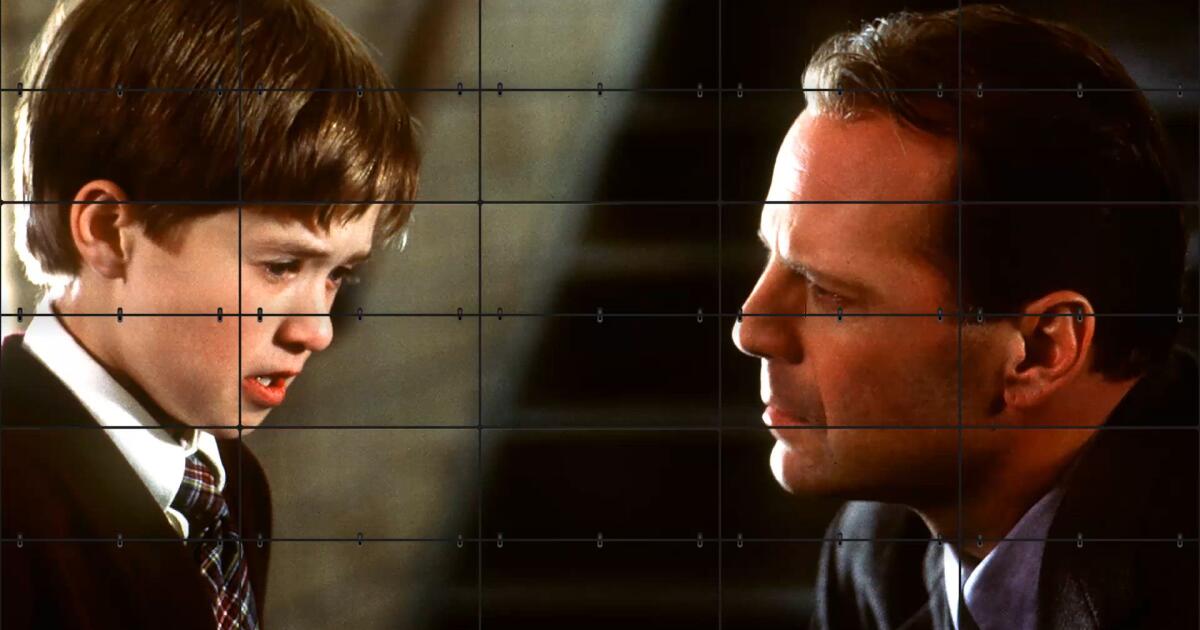
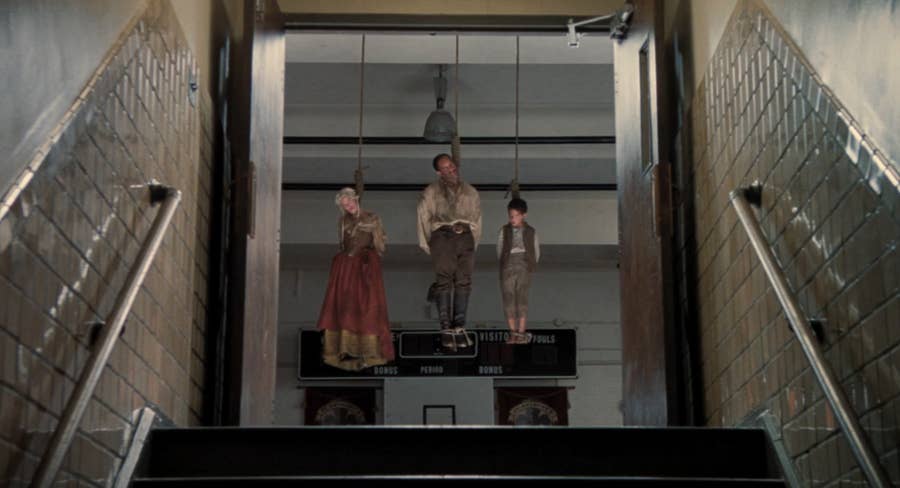
Nothing is technically false.
You’re just not told something important.
Use this when:
- You want a twist
- You want tension
- You want the reader to re-interpret everything later
Common mistake:
Withholding too much → reader gets confused instead of curious
2. The “Wrong Angle” Lie (Misdirection)
Everything shown is real… just framed in a misleading way.
Example:
A character sees someone holding a knife.
Reader thinks: “Murderer.”
Later? Turns out they were cutting fruit.
Same facts. Different interpretation.
The key move:
Give just enough detail to push the reader toward the wrong conclusion.
3. The “Unreliable Voice” Lie (Narrator Trick)
This one’s dangerous. And powerful.
The narrator lies. Or misunderstands.
Think Gone Girl.



You trust the voice… until you shouldn’t.
Use this when:
- You want psychological tension
- You want readers questioning everything
Common mistake:
Making the narrator randomly lie without purpose → reader feels cheated
The “Don’t Get Slapped by Your Reader” Rule
Here’s where most people mess up badly.
You cannot lie about facts the reader directly sees.
If you write:
“The room was empty.”
Then later say:
“Actually someone was standing there the whole time.”
Yeah… no. That’s cheating.
Instead, you say:
“The room looked empty.”
Subtle. But fair.
Rule:
👉 Never break the reader’s trust. Bend it.
Quick Reality Check (Use This Before Any Twist)
Ask yourself:
- Did I give enough clues for this to make sense later?
- Will a reader say “ohhh that was there the whole time”?
- Or will they say “that came out of nowhere”?
If it’s the second one… fix it.
The Fastest Way to Improve This Skill
Stop guessing. Start studying.
Pick stories known for great misdirection:
- Fight Club
- Shutter Island
- The Girl on the Train
Watch/read them like a mechanic, not a fan.
Pause and ask:
- What am I being shown?
- What am I assuming?
- What’s actually missing?
That’s how you learn this fast.
The Weird Edge Case Nobody Talks About
Sometimes… you shouldn’t lie at all.
Yeah. Really.
If your story is:
- Character-driven
- Emotional
- Slow-paced
Too much deception kills connection.
Readers don’t want puzzles. They want truth.
Fix: Use soft lies:
- Delay information slightly
- Let characters misunderstand things naturally
Not every story needs a “gotcha” moment.
When Your Lie Isn’t Working (And You Know It)
You’ll feel it.
The story feels:
- Forced
- Overcomplicated
- Like you’re “setting something up”
That’s your signal.
Fix it fast:
- Remove one layer of trickery
- Make the truth simpler
- Let the lie come from character, not plot
The One Thing That Makes All of This Work
This is it.
The whole game.
👉 Your reader must feel smart, not fooled.
That’s the difference between:
- “Wow, that twist was amazing”
- and
- “That was stupid”
Same technique. Different execution.
Still Stuck? Use This Cheat Code
If you’re unsure how to “lie” in a scene, do this:
Write the scene truthfully first.
Then:
- Remove one key piece of info
- Shift the perspective slightly
- Add one misleading detail
That’s it. Done.
No overthinking.
You’re not lying to your reader.
You’re letting them believe something… just long enough for the truth to land harder.
Do it right, and they’ll thank you for it.