
You know the feeling — you know the book exists, maybe you even saw it years ago, and now every search result is either “Unavailable” or some shady seller asking 10× the original price.
Not your fault. This problem has layers most people never get told.
Let’s break it down properly.
What “Out of Print” Actually Means (And Why It Confuses People)
First thing — out of print does NOT mean “impossible to find.”
It just means:
- The publisher stopped printing new copies
- It’s no longer stocked in normal retail channels
- It might still exist in:
- warehouses
- libraries
- private collections
- secondhand markets
Think of it like a discontinued sneaker. Nike stops making it. That doesn’t mean it vanished.
The real problem?
You’re searching in the wrong ecosystem.
The #1 Mistake Everyone Makes
People go straight to Amazon and type the title.
Bad move.
Amazon is built for new inventory + high-volume sellers.
Out-of-print books live in low-volume, fragmented networks.
So what happens?
- You see “Currently unavailable”
- Or one seller pricing it like a rare artifact
- Or nothing at all
And you assume: “It’s gone.”
It’s not.
You’re just knocking on the wrong door.
Where These Books Actually Hide (The Real Hunting Grounds)
1. Aggregated Used Book Networks (Start Here)
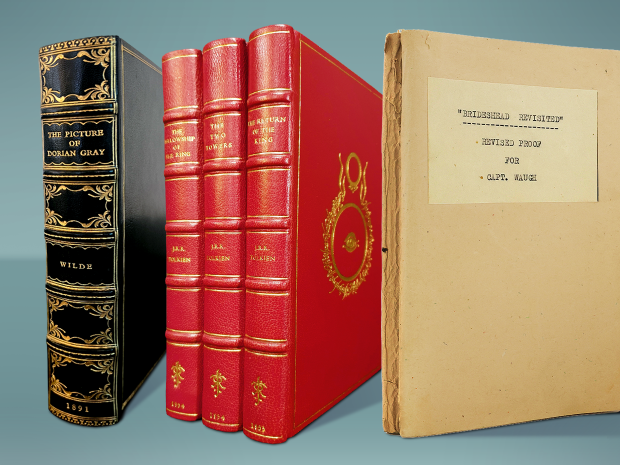


These platforms are gold because they pull listings from thousands of small sellers.
Check these first:
- AbeBooks
- Alibris
- World of Books
Why they work:
- Independent bookstores list inventory here
- Old warehouse stock shows up randomly
- You’ll often find copies Amazon doesn’t show
One search here = thousands of stores checked.
2. Library Systems (Most People Ignore This… Big Mistake)


Use WorldCat.
Type the book title. It shows:
- Which libraries have it
- Which country
- Sometimes even edition details
Here’s the move most people miss:
You don’t need to own it to get it.
- Ask your local library for interlibrary loan (ILL)
- They can pull it from another country in some cases
And yeah — I’ve seen people get 40-year-old books this way.
3. Digital Copies (The “Hidden Backup” Option)
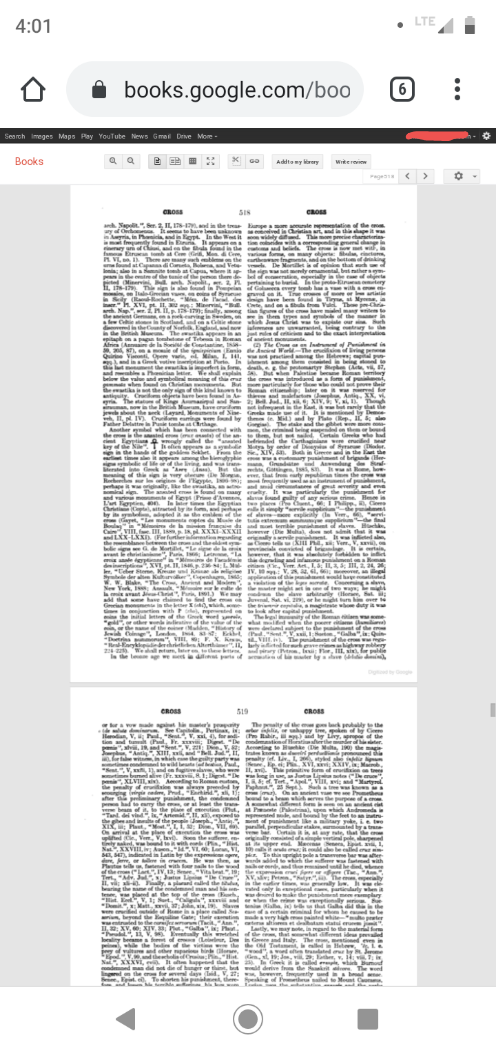


Try:
- Google Books
- Internet Archive
- Open Library
What you’ll find:
- Full scans (especially older books)
- Borrowable digital copies
- Partial previews (sometimes enough)
Quick reality check:
- If the book is pre-1920 → high chance it’s fully available
- If it’s newer → might be limited or borrow-only
Still better than nothing.
4. Specialist & Rare Book Dealers (When It Gets Serious)
This is where people go when:
- The book is genuinely rare
- First editions matter
- Price is not the main concern
These sellers don’t always show up in normal searches.
They operate through:
- niche dealer networks
- collector communities
- direct email lists
Sometimes the fastest way?
Email a dealer with the exact title + edition.
They’ll either have it… or know someone who does.
5. The “Alert and Wait” Strategy (Most Reliable for Tough Cases)
Here’s something beginners don’t realize:
Out-of-print books appear and disappear constantly.
Someone sells a copy → it’s gone in hours
Another shows up → random timing
So instead of searching manually every day:
- Set alerts on:
- AbeBooks
- eBay
Then wait.
This is how collectors actually do it.
Why Prices Are All Over the Place (And When NOT to Buy)
You’ll see this:
| Listing Type | What It Usually Means |
|---|---|
| Extremely expensive (£100+) | Seller testing demand or rare edition |
| Cheap (£5–£20) | Common copy, just buried |
| “Print on demand copy” | Reprint, not original |
| Multiple listings | Not actually rare |
Rule: Never buy the first listing unless you’ve checked at least 2–3 platforms.
Half the time, a cheaper copy is sitting somewhere else.
The Weird Edge Cases (You’ll Hit One Eventually)
This is where people get stuck.
“It exists, but nowhere online”
Happens with:
- Small publishers that shut down
- Academic books with limited runs
- Regional prints (UK-only, US-only, etc.)
Fix:
- Search ISBN instead of title
- Try alternate spellings
- Check older editions (often identical content)
“Different cover, same book”
Publishers rebrand covers constantly.
You think it’s missing. It’s not.
It’s just:
- New ISBN
- Different title format
- Same content inside
Always cross-check editions.
“I found it… but it’s absurdly expensive”
Usually means:
- Only one seller listed it
- No competition = inflated price
Wait. Seriously.
Give it a week or two. Another copy often shows up cheaper.
The Simple System That Actually Works (No Guesswork)
If someone asked me how to do this cleanly, here’s the exact flow:
- Start with AbeBooks / Alibris
- If nothing → check WorldCat (library route)
- If still nothing → check Internet Archive / Open Library
- Set alerts (don’t skip this)
- Wait + recheck weekly
That’s it.
No chaos. No random Googling.
The One Thing I Wish Everyone Knew
Out-of-print does not mean rare. It means disconnected.
The supply is there.
It’s just scattered across:
- independent sellers
- library systems
- private listings
Once you stop relying on one platform and start thinking like a hunter…
You start finding books other people gave up on.
And that’s usually the difference.