
Alright—this one trips people up in a different way.
Not because it’s complicated.
Because Amazon makes it sound bigger than it actually is.
You see “Expanded Distribution” and your brain goes:
“Nice… my book will be everywhere.”
Bookstores. Libraries. Global reach.
Yeah… slow down.
What Expanded Distribution Actually Is (No Marketing Spin)
It lets your paperback be listed in external wholesale catalogs outside Amazon.
That’s it.
Not guaranteed sales.
Not guaranteed placement.
Just… availability.
Think of it like this:
Your book gets added to a giant supplier database that bookstores can order from.
Keyword: can.
What It Looks Like Behind the Scenes


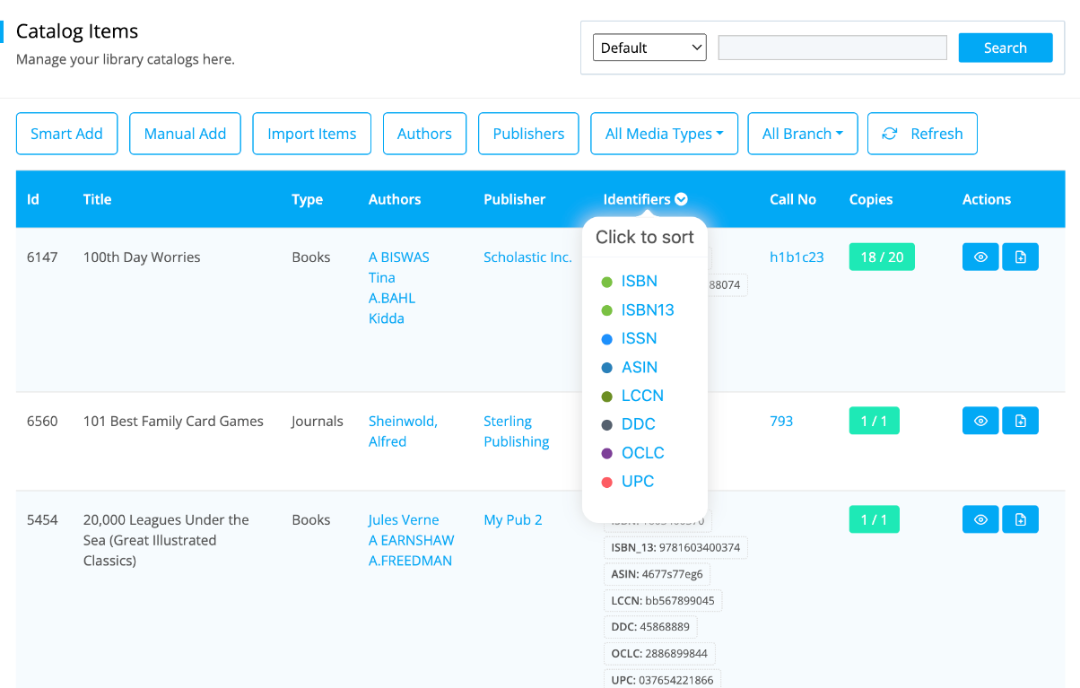
When you enable it:
- Your book gets an ISBN (required)
- It’s pushed into distribution networks (like wholesalers)
- Retailers and libraries can see it in their systems
But nobody is promoting it for you.
There’s no sales team pushing your book.
It just… sits there waiting to be ordered.
The Part Everyone Misunderstands
Here’s what people think happens:
- “Bookstores will stock my book”
- “Libraries will pick it up”
- “I’ll get extra sales automatically”
What actually happens:
- Your book becomes orderable, not visible on shelves
- Stores only order if there’s demand
- Libraries rarely pick unknown self-published books
Availability ≠ visibility
That’s the gap that kills expectations.
The Money Side (This Is Where It Gets Real)
Expanded distribution changes your royalty.
And not in a good way.
| Distribution Type | Royalty Rate | Control |
|---|---|---|
| Amazon only | Higher (~60% minus printing) | Full |
| Expanded Distribution | Lower (~40% minus printing) | Limited |
So you’re giving up margin…
For access to a channel that may never sell your book.
That trade-off matters.
When It Actually Makes Sense (Rare, But Real)
I’ve seen it work—but only in specific cases.
Turn it on if:
- You have a non-fiction book with real-world demand
(education, local history, niche expertise) - You’re doing offline promotion
(schools, events, speaking gigs) - Someone might bulk order through a retailer
In those cases, expanded distribution becomes a bridge.
Without that demand?
It just sits unused.
When You Should Leave It OFF
This is the part most beginners ignore.
Don’t enable it if:
- You’re publishing low-content books (journals, planners, notebooks)
- You’re targeting Amazon search traffic only
- You haven’t validated demand yet
Because here’s the blunt truth:
Bookstores don’t stock generic KDP journals.
They already have suppliers. Better margins. Established brands.
The Weird Edge Case (I’ve Seen This Hurt People)
You enable expanded distribution…
Then later want to publish the same book somewhere else (like IngramSpark).
Problem:
- Your ISBN is already tied up
- Distribution conflicts happen
- You lose flexibility
This becomes a headache fast.
Especially if you didn’t plan for it.
The Small Detail Almost Nobody Mentions
Expanded distribution has strict requirements:
- Paperback only (no ebooks, no hardcover in most cases)
- Must meet certain trim sizes and page counts
- Content restrictions apply
If your book doesn’t qualify, it won’t even be available externally.
And KDP won’t exactly shout about why.
So… Should You Turn It On?
Here’s the simplest way to decide:
Ask yourself:
“Is someone outside Amazon already likely to order this book?”
If the answer is no…
Leave it off.
If the answer is yes…
Then it’s worth testing.
The Bottom Line (No Fluff)
Expanded distribution is not a growth hack.
It’s not a traffic source.
It’s just extra shelf access without marketing behind it.
Useful in the right situation.
Completely pointless in most others.
Once you see it for what it is, you stop expecting magic from a checkbox.
And that’s where most people finally start making smarter decisions.